Tripling student participation for the UBC AMS Academic Experience Survey
Surveying student populations can be a challenge. We work effectively and seamlessly with student unions and other stakeholders to discover the data essential to their operations.
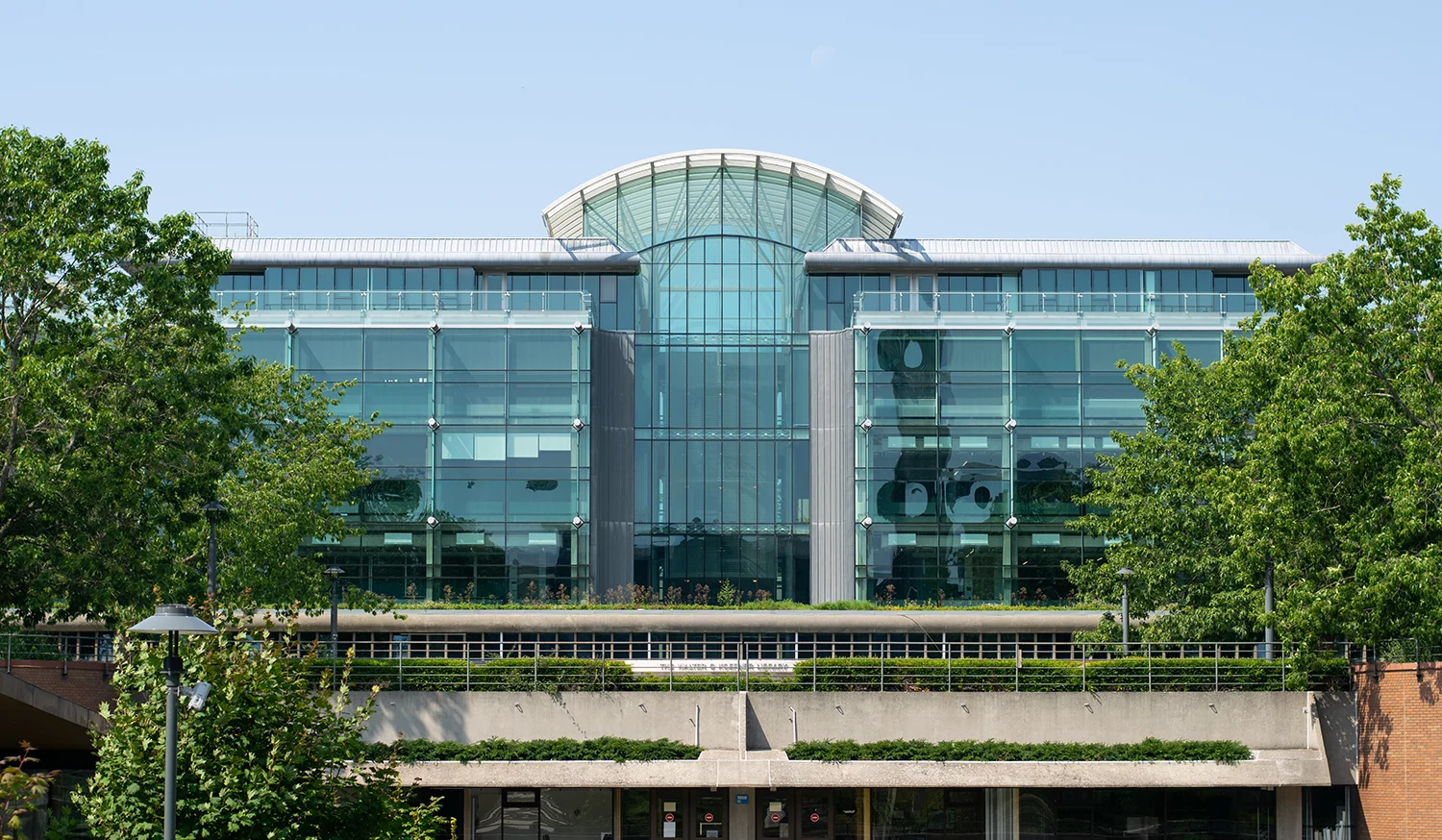
The University of British Columbia Alma Mater Society (AMS) has held a long-running survey since 2012 on student perspectives. The Academic Experience Survey (AES) is crucial for the AMS to carry out its mission of advocating for and improving the lives of UBC students. In recent years they have faced challenges such as reduced student responses and an overly broad survey questionnaire. The UBC AMS contracted Kai Analytics in 2023 to carry out the survey with a focus on improving the questionnaire and increasing the response rate to pre-pandemic levels.
The survey included questions on the daily life of students such as cost of living, campus safety, health and accessibility.
Stakeholders & Community Partners:



What We Did
We collaborated with UBC AMS to revise the questionnaire, disseminate the survey to students, and analyze the results across many demographics.
Increased student responses by 300% compared to the previous year’s survey.
Refocused the questionnaire to prioritize factors most crucial to the AMS mission.
Used advanced analysis techniques to discover student experiences around important topics such as affordability and safety.
Method Mix & Sampling Snapshot
- The survey was completed online, and could be accessed through a survey link.
- The survey link was shared via student emails, newsletters, posters, and through in-person outreach.
- The survey closed with 3,413 responses – triple the responses of the previous year and more than ever before received in the survey’s history.
Solution & Deliverables
We worked with the AMS to develop an effective survey that was easy for students to respond to and collected actionable information.
Analytics Techniques
- The results were segmented by a number of demographics, including graduate status and faculty, so the AMS could understand how different factors affected the student experience.
- Our qualitative analysis categorized open-ended response data into key topics so the AMS could quickly understand the key ideas.
- We used geospatial analysis to understand which areas of the campus made students feel unsafe.
Focused Questionnaire Review
We redesigned the survey questions for maximum clarity and impact. In addition to reducing the number of questions, we adjusted the ratio of questions related to the overall university experience and questions related specifically to the academic experience so the survey would feel more focused on the AMS’s mandate and scope of service offerings.
Ultimately, with our expertise combined with the AMS’ knowledge of their priorities, we ensured the new AES would provide more strategic data that would empower the AMS to carry out their mission of improving student experiences.
Strategizing for Successful Data Collection: Communications and Timing
It can be challenging to catch the attention of students, who often deal with busy schedules and a barrage of events and learning tasks. We were able to raise the number of responses by 300% in 2023, earning more responses than in the history of the AES. This success was the result of a tailored and responsive communication strategy.
We strategized with the AMS team to identify the best time to conduct the survey and created a timeline that would be flexible in the face of unexpected challenges.
During data collection, we kept the AMS team updated on response numbers and made suggestions to increase them when we felt they could be improved. This included identifying different segments with lower response rates so the AMS could increase communications to those groups and creating different QR codes to advertise the survey for each method of communication so the AMS could track their effectiveness (e.g., election ballot, posters).
Analyzing and Reporting on Student Safety
Our analysis of the survey data uncovered key challenges students face, such as affordability and lack of housing availability. One aspect of our analysis that was unique and required advanced techniques is our analysis of student safety.
Safety is important concern for university and college campuses, which must act decisively to protect students from on-campus violence. Campuses are often densely populated and include many locations which may require extra security measure. We built an application into the survey asking students to identify on a map areas where they felt unsafe at night. We used geospatial analysis to visualize the data as a heat map, concisely showing areas in red that were commonly identified. This allowed the AMS to identify areas that may require better lighting, emergency buttons, and other security measures.

Student Safety Map
The survey invited students to pinpoint locations on a campus map where they felt unsafe at night. By applying geospatial analysis, we transformed this information into a heat map, clearly highlighting frequently mentioned areas in red. This enabled the AMS to identify spots that could benefit from enhanced lighting, the installation of emergency buttons, and other security improvements.

Student Paper Feature
The increase in response rate was so significant it was chosen as the headline in the article on the survey in the UBC’s student newspaper, the Ubyssey. Another focus of the article was the financial challenges many students were facing, as highlighted in the survey results.

2023 AMS Academic Experience Survey Report – Cover Page
The survey results are covered in a report released each year by the AMS. This report provides the highlights from the survey, with a focus on findings that are important for their advocacy.

Report Excerpt – Respondent Profiles
As part of the analysis and reporting, the survey data was compared with to existing data on the UBC population from the Planning and Institutional Research (PAIR) office, which showed that the data was a good representation of the overall student population. This was achieved due to our close communication with the AMS during the data collection period.
Results & Impact
We’ve continued to collaborate with the AMS on the survey each year, discovering fresh insights into student perspectives. This has resulted in consistent, year-over-year data that supports the AMS’ recommendations and lobbying efforts.
Recommendations Supported by Data
Support for Lobbying
Result Metrics
- The AMS reported that the survey results assisted with their lobbying efforts.
- The AMS was able to make recommendations to stakeholders backed by data, garnering support for the desired initiatives.
- Since 2023, we’ve been able to update our approach to each iteration, building on our knowledge to implement new ideas for success.
